

Have a Question?
Mental Health Occupational Therapy for Autism: A Practical Guide for Families in Melbourne

When You’re Raising an Autistic Child, Everyday Life Can Feel Different
When you have a child on the autism spectrum, everyday life can feel like a puzzle with pieces that do not always fit together smoothly. Some moments are joyful and full of connection. Others are marked by overwhelm, sensory overload, big emotions, or routines that fall apart without warning. If you are reading this, you are likely searching for support that feels respectful, practical, and grounded in genuine understanding.
How Occupational Therapy Supports Your Child
Occupational therapy for autism can help create a little more ease in the places where life feels hard. A neurodiversity-affirming approach does not try to change who your child is. Instead, it seeks to understand how they experience the world, what brings them comfort, what sparks their interests, and what supports their sense of safety. From this foundation, we work together to develop skills, adapt environments, and create pathways that support participation and wellbeing.
OT is More Than Fine Motor Skills
Many families first hear about occupational therapy in conversations about handwriting or fine motor skills, although the work goes far beyond this. For autistic children, teens, and adults, occupational therapy explores the bigger picture. This may include emotional regulation, communication, sensory needs, daily routines, school life, play, social skills, and social connection. It is about helping your child feel more settled in their body, more understood in their relationships, and more confident in everyday activities, including activities that rely on developing stronger motor skills.
Every Autistic Child Deserves Individualised Support
No two autistic individuals are the same. Each person brings their own strengths, challenges, preferences, and ways of relating. Occupational therapy for autism respects this diversity and builds support around the child or individual, rather than expecting them to fit into an inflexible model.
Moreover, occupational therapy builds on your child’s skills, recognising what comes naturally to them and using those strengths as a foundation for meaningful progress.
With the right guidance, small changes can create meaningful progress and a stronger sense of calm, capability, and connection over time.
What Does a Mental Health Occupational Therapist Do for Autism?
A mental health occupational therapist supports autistic individuals to participate in meaningful activities across home, school, work, community settings, and personal routines. The work is highly individualised and often draws on an understanding of emotional wellbeing, sensory processing, identity, mental disorders, and daily life demands.
An occupational therapist may also draw on tools such as the Childhood Autism Rating Scale to help build a clearer picture of your child’s strengths, support needs, and how autism influences their daily routines. Sensory assessments may also be used to understand how different environments, textures, sounds, or movements affect your child’s comfort and regulation.
Based on this understanding, a mental health occupational therapist may support your child in a range of practical and meaningful ways, including:
- Identifying strengths and interests that can guide therapy goals
- Exploring sensory processing patterns and how they influence comfort, behaviour, and participation
- Supporting the development of functional skills and daily living skills such as dressing, eating, showering, sleep routines, and household tasks
- Developing emotional regulation strategies that help a person move through big feelings with safety and support
- Supporting communication methods including speech, AAC, gesture, and alternative interaction styles
- Building social engagement skills in a way that respects autonomy and comfort rather than encouraging masking
- Supporting executive functioning such as planning, organising, sequencing, and transitioning between tasks
- Adapting activities or environments to reduce barriers and increase confidence
- Working closely with parents, teachers, support workers, and allied health professionals to create consistent support across settings
A neurodiversity-affirming mental health occupational therapist does not aim to reduce autism traits or discourage authentic expression. Instead, the focus is on supporting comfort, agency, identity, and participation in ways that respect the individual’s strengths and lived experience.
What Are the Occupational Therapy Interventions for Autism?

Interventions vary based on age, goals, sensory preferences, and personal needs. Some of the most common approaches include:
Sensory-Based Supports
Many autistic individuals experience heightened or reduced sensory responses, and may also face sensory processing issues that influence comfort, regulation, and participation. Occupational therapists help explore these sensory patterns and introduce strategies that create comfort, predictability, and regulation. This may include approaches such as sensory integration therapy, alongside other sensory-based supports that respect the child’s preferences and needs.
These may involve:
- calming sensory input
- deep pressure activities
- movement-based tasks
- visual or auditory supports
- environmental adjustments to reduce overwhelm
These strategies honour the child’s sensory world instead of pushing tolerance beyond comfort.
Daily Living Skills
Occupational therapy for autism spectrum disorder can support growth in practical skills such as:
- Dressing
- Hygiene and self-care
- Meal preparation
- Eating routines
- Sleep habits
- Household tasks
- Community participation
Building self care skills can help children feel more capable and confident as they move through their daily routines.
Progress is paced gently and in line with the individual’s learning style. In this area, occupational therapists work alongside families to introduce strategies that feel achievable at home and support steady growth in daily routines.
Fine and Gross Motor Support
Activities may include coordination games, strength-building tasks, balance work, and motor planning exercises. These activities support confidence in both structured and unstructured environments and can also contribute to foundational organisational skills that help guide daily routines.
Emotional Regulation
Emotional overwhelm, burnout, and shutdowns are common experiences among autistic children and adults. Mental health occupational therapy focuses on:
- Identifying triggers
- Learning early signs of distress
- Building calming routines
- Co-regulation with caregivers
- Creating sensory-friendly environments
- Establishing predictable routines
The goal is to build emotional safety rather than suppress natural expression.
Social Connection
Social connection in occupational therapy is supported in context and guided by the individual’s comfort. The aim is meaningful interaction, not performance. This may include:
- Understanding personal boundaries
- Learning to communicate needs
- Building shared play through interests
- Recognising each person’s communication style
This approach removes pressure to act neurotypical and instead encourages authentic interaction.
Environmental Modifications
Small adjustments can remove barriers and support comfort. Examples include:
- Visual schedules
- Alternative seating
- Quiet zones
- Sensory-friendly lighting
- Structured work systems
- Noise-reducing tools
These supports help reduce stress and increase participation.
Parent and Caregiver Coaching
Families and family members learn strategies for home, school, and community life. Coaching may involve:
- Understanding sensory needs
- Reducing overwhelm
- Strengthening routines
- Supporting emotion regulation
- Consistency across environments
This helps the strategies become part of everyday life rather than something that only happens in occupational therapy.
What Is the Hardest Age for Autism?
There is no single stage that is universally harder for every person with autism spectrum disorder, although certain transition points can be particularly demanding.
Early Childhood
Sensory overload, communication frustration, and new routines can create stress for both children and families.
Primary School Years
Academic expectations grow, social demands increase, and sensory environments become more complex.
Adolescence
Hormonal changes, shifting identity, social pressures, and increased responsibilities can lead to burnout or emotional strain.
Transition to Adulthood
Young adults may navigate study, work, independent living, and community access. This stage is smoother with support around executive functioning, planning, and self-advocacy.
Occupational therapy helps build the tools needed to move through each of these phases with greater confidence and stability.
Which Therapy Is Best for Autism Spectrum Disorder?
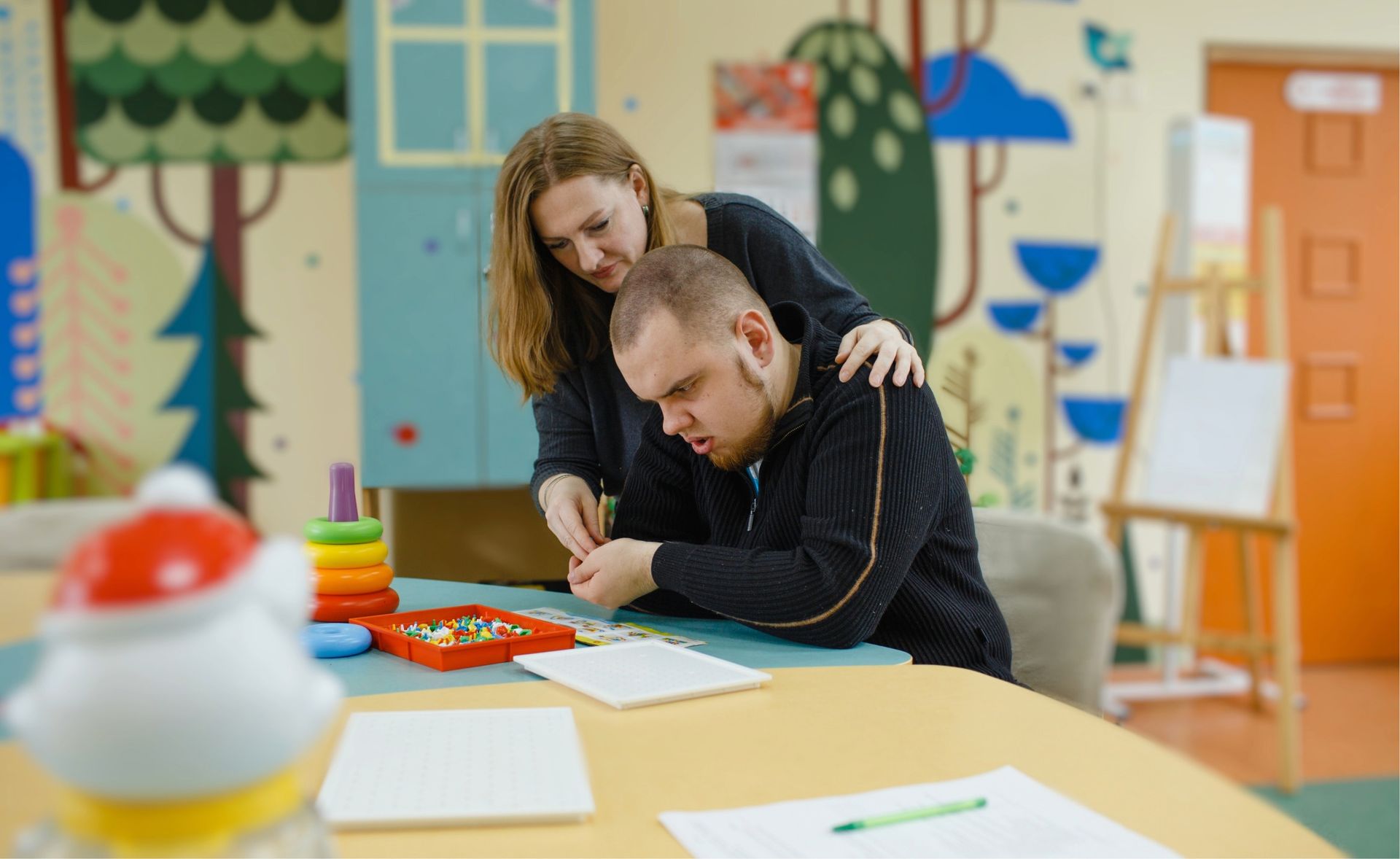
There is no single therapy that suits every autistic person. The most effective support combines approaches that match the individual’s needs, strengths, age, and goals. Common therapies include:
- Occupational therapy
- Speech pathology
- Psychology
- Behaviour support
- Social connection programs
- Family coaching
- Sensory-based interventions
- AAC support for communication
Occupational therapy for autism often forms a strong foundation because it addresses sensory needs, emotional regulation, daily routines, communication, and participation.
The best therapy is one that respects the autistic brain, supports autonomy, and aligns with the person’s values and goals.
Does My Autistic Child Need OT?
Your child may benefit from occupational therapy for autism spectrum disorder if you notice challenges with:
- Sensory overload or sensory avoidance
- Emotional regulation
- Transitions between activities
- Daily living tasks like dressing or toileting
- Fine or gross motor skills
- School participation
- Play, social engagement, or shared activities
- Attention, planning, or organisation
- Sleep routines
- Behaviour linked to overwhelm or burnout
An assessment can give you clarity, identify strengths, and outline the types of support that would be most helpful.
Understanding Autism Through a Neurodiversity Lens
Autism is a natural variation in human neurology. It influences how a person communicates, processes sensory input, engages in relationships, and experiences the world. A neurodiversity-affirming approach views autism as part of human diversity, not a condition that needs to be corrected.
While diagnosis is completed by qualified clinicians using tools such as the Diagnostic and Statistical Manual, support in daily life focuses on comfort, participation, and understanding how each autistic person experiences the world.
Autistic individuals may:
- Prefer routine and predictability
- Experience sensory input more intensely or less intensely than others
- Communicate in unique and meaningful ways
- Develop deep focus or special interests
- Thrive in structured environments
- Need additional support with transitions or uncertainty
- Experience fatigue from social demands
- Display repetitive or self-soothing behaviours that help them regulate
These traits are not flaws. They are part of a person’s identity. Occupational therapy for autism respects this identity and creates supports that empower autistic individuals to live authentically.
How Occupational Therapy Supports Participation and Wellbeing
Occupational therapy contributes to many areas of life, including:
Daily Routines
Building predictable routines that reduce stress.
Sensory Regulation
Helping individuals understand and respond to sensory needs.
Emotional Safety
Developing coping strategies and co-regulation practices.
Social Connection
Supporting communication, boundaries, and relationship-building.
School and Learning
Creating accommodations and structures that support focus and comfort.
Community Access
Supporting participation in appointments, shopping, public transport, and recreational activities.
Work and Future Planning
Helping teens and adults prepare for employment, study, and independent living.
Occupational therapy strengthens long-term wellbeing through comfort, confidence, and meaningful participation, and this often includes building motor skills that support movement, coordination, and engagement in daily activities.
Maximising the Benefits of Occupational Therapy for Autism
Occupational therapy for autism is most effective when it is consistent, collaborative, and applied across daily life. Therapy sessions can provide structure, predictability, and space for your child to practise skills with support before using them in daily routines. Families can support progress through:
- Regular practice between sessions
- Using visual schedules at home
- Creating clear routines
- Advocating for adjustments at school or in community settings
- Communicating openly with the occupational therapist
- Supporting co-regulation before expecting self-regulation
- Involving all caregivers and support workers
The aim is steady progress in the areas that matter most to the child and family.
The Value of Seeing a Qualified Occupational Therapist
Occupational therapy for autism can bring meaningful benefits for autistic individuals and their families, and these benefits of occupational therapy often extend into emotional wellbeing, daily routines, and long-term confidence. When shaped through a neurodiversity-affirming lens, therapy becomes a partnership built on acceptance, respect, and empowerment, supporting a more positive overall quality of life over time. The goal is not to change who a person is, but to support comfort, participation, and well being in ways that honour each individual’s strengths.
If you feel your child or loved one may benefit from occupational therapy, an assessment is a helpful first step. A qualified occupational therapist for mental health can provide insights, guidance, and practical strategies that support a more settled, confident, and connected daily life.
Ready to Explore Support for Your Child?
If you feel your child would benefit from mental health occupational therapy, our team at PotentialMe is always available to help. We support autistic children, teens, and adults across Greater Melbourne with compassionate, neurodiversity-affirming care. Our focus is on comfort, confidence, and practical skills that make everyday life feel more manageable.
Instead of offering one-size-fits-all strategies, our occupational therapists get to know how your child moves through the world. We pay attention to what comforts them, what sparks their curiosity, and where the day tends to become difficult. From there, we plan support that fits your family’s rhythm rather than adding extra pressure. For some families, this means ongoing mental health OT. For others, it includes emotional regulation support or having a trusted NDIS support worker who understands their child’s communication style and sensory needs.
You are welcome to reach out for a friendly conversation, ask questions, or make a referral.

We hope you enjoyed reading this blog.
PotentialMe specialises in mental health occupational therapy and also offers NDIS support services, including Australia-wide plan management and personalised support work, matching participants across Greater Melbourne with the right support worker.

Mental health shapes how we think, work, and connect. This blog covers what good mental health looks like, where occupational therapy fits in, and more.

If you've looked at your NDIS plan, you've probably seen the term "Capacity Building" with a budget attached to it. But what does that mean? Read more.

You want to help, but you don't want to take away their independence. It’s a delicate balance that can affect confidence and relationships. Read more here.

The goals might tick the right boxes for the NDIS, but they don't get you out of bed in the morning. Learn how to set goals that actually matter.

Sensory overload isn't just about being "sensitive" or "dramatic". It's a real, physical experience that can derail your day. Find out more.

When you're navigating mental health support through the NDIS, you'll likely come across both occupational therapists and psychologists. Read more.

The NDIS provides support for autism through individualised funding and greater choice. Learn how it works for your child.
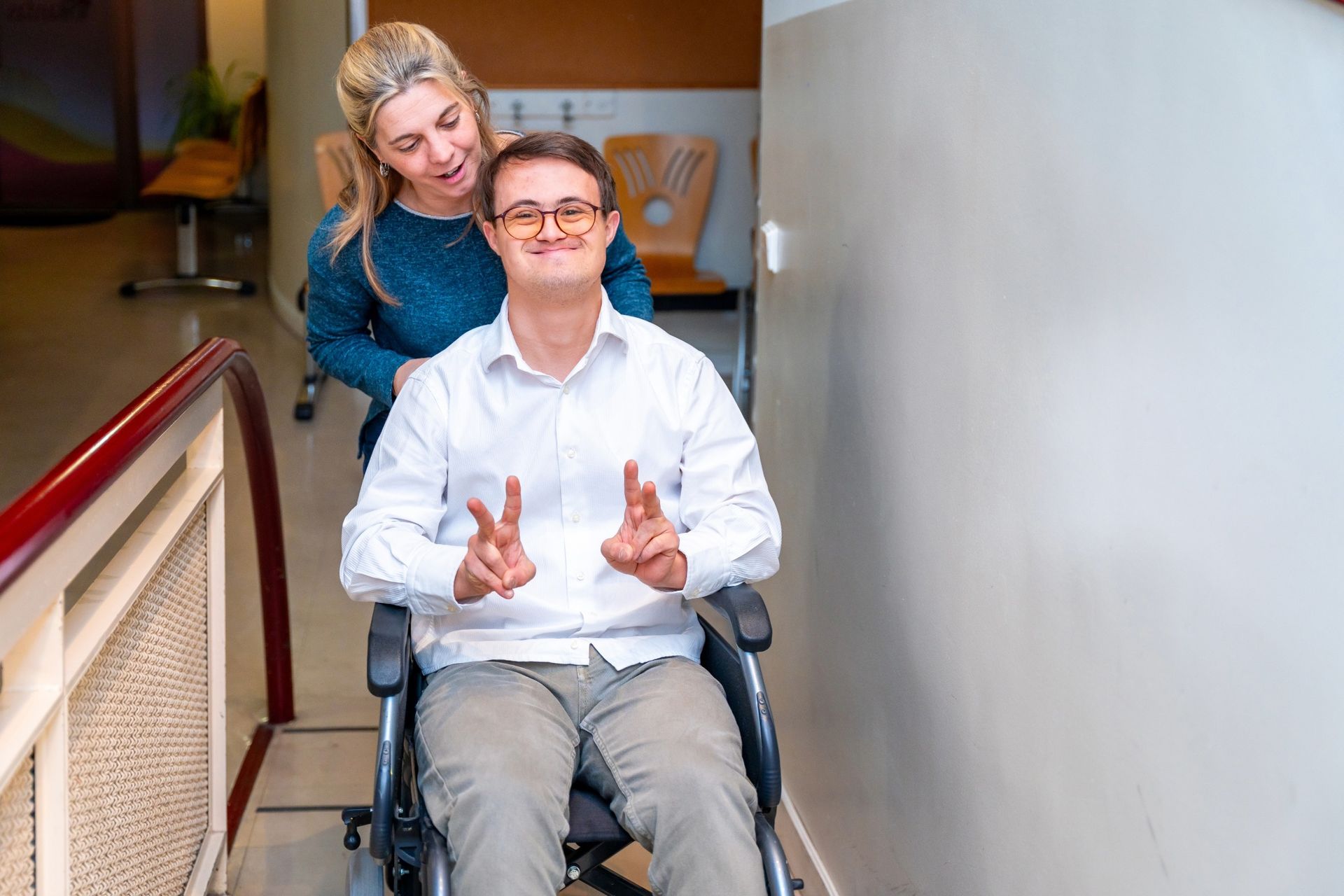
NDIS support workers offer daily support, emotional steadiness, and care that helps you feel seen and supported. Learn more about them and what they do in this blog.

Psychosocial OT at PotentialMe helps individuals reconnect with life through skills, structure, and support. Read the full blog for more insight.

This guide explains how psychosocial disabilities are defined and supported by the NDIS through non-clinical services and recovery-focused plans.