

Have a Question?
Sensory Overload in Autism: Practical Regulation Strategies That Work

If you're autistic or care for someone who is, you'll know that sensory overload isn't just about being "sensitive" or "dramatic". It's a real, physical experience that can completely derail your day and affect your ability to function. Understanding sensory overload and having practical strategies to manage it can make the difference between participating in life and needing to withdraw from it.
What Sensory Overload Actually Feels Like
Sensory overload happens when your brain receives more sensory information than it can process. For autistic people, the brain processes sensory input differently, which means everyday environments can quickly become overwhelming.
It might feel like:
- Everything is too loud, even normal conversation
- Lights feel painfully bright
- Clothing tags or seams feel like they're scratching your skin
- Too many people talking at once creates a wall of noise you can't separate
- Smells become intense and nauseating
- Your body feels like it's vibrating or buzzing
- You can't think clearly or make decisions
- You need to escape immediately
This isn't weakness or overreaction. It's your nervous system genuinely struggling to regulate itself in response to sensory input.
Why It Happens
Autistic brains process sensory information differently. You might experience:
Hypersensitivity: Sensory input feels more intense than it does for neurotypical people. A hum that others barely notice might feel deafening to you.
Hyposensitivity: Sometimes you need more sensory input to register it. You might need to touch things firmly, listen to music loudly, or seek out intense flavours.
Difficulty filtering: Neurotypical brains automatically filter out background noise and irrelevant sensory information. Autistic brains often struggle with this, meaning you notice and process everything equally.
Poor sensory integration: Your brain might struggle to organise and interpret sensory information coming from multiple sources at once.
Common Triggers
While everyone's triggers are different, common sensory overload triggers include:
- Shopping centres with fluorescent lights, crowds, and background music
- Public transport during peak times
- Open-plan offices or classrooms
- Social gatherings with multiple conversations
- Sudden loud noises (hand dryers, sirens, dogs barking)
- Strong smells (perfume, cleaning products, food)
- Certain textures of clothing or bedding
- Being touched unexpectedly
- Busy visual environments with lots of patterns or movement
Practical Regulation Strategies
The good news is that with the right strategies, you can manage sensory overload and participate more fully in daily life. Here are evidence-based approaches that actually work:
Prevention Strategies
Create a sensory profile: Work with an occupational therapist to identify your specific sensory sensitivities and preferences. Knowing what triggers you is the first step to avoiding overload.
Plan ahead:
Before going somewhere new, research the environment. What will the lighting be like? How crowded will it be? Can you visit during quieter times?
Build in breaks:
If you know you'll be in a challenging environment, schedule regular breaks where you can step away and regulate.
Set boundaries:
It's okay to say no to environments or situations you know will cause overload. Protecting your sensory wellbeing isn't selfish.
Environmental Modifications
Control lighting: Use lamps instead of overhead lights at home. Wear sunglasses or a cap with a brim outdoors or in bright indoor spaces. Request a workspace away from fluorescent lights if possible.
Reduce noise: Use noise-cancelling headphones or earplugs in loud environments. Create quiet spaces at home where you can retreat. Use white noise apps to mask unpredictable sounds.
Manage visual input: Reduce clutter in your environment. Use neutral colours for spaces where you spend a lot of time. Turn down screen brightness and use blue light filters.

Address textures: Remove clothing tags. Buy seamless socks and soft fabrics. Keep a change of comfortable clothes available if you need them.
Control smells: Use unscented products at home. Carry a small bottle of a preferred scent to block out unpleasant smells. Request fragrance-free environments when possible.
In-the-Moment Strategies
When you feel overload building, try these immediate interventions:
Deep pressure: Use a
weighted blanket, hug yourself tightly, or press against a wall. Deep pressure activates your parasympathetic nervous system and can be very calming.
Movement: Some people need to move when overwhelmed. Rock, pace, bounce, or do some physical activity to help your body regulate.
Sensory tools: Keep fidget toys, stress balls, or textured objects handy. These give your hands something to do and can help ground you.
Breathing exercises: Slow, deep breathing can calm your nervous system. Try breathing in for four counts, holding for four, and out for six.
Remove yourself: If possible, leave the overwhelming environment. There's no shame in needing to step away.
Reduce input: Close your eyes, cover your ears, or turn away from the stimulus. Even temporarily reducing input can help.
Building Tolerance Gradually
While you shouldn't force yourself into overwhelming situations, you can gradually build tolerance to challenging environments:
Start small: Expose yourself to mildly challenging environments for short periods.
Use support: Bring someone you trust who understands your needs.
Celebrate progress: Any increase in tolerance is worth acknowledging.
Rest afterwards: Give yourself recovery time after challenging sensory experiences.
Tools and Equipment That Help
Noise-cancelling headphones: Invest in good quality ones. They're worth every dollar for many autistic people.
Sunglasses: Keep multiple pairs in different places (car, bag, home).
Fidget tools: Experiment with different types. Some people prefer tactile, others visual or auditory.
Weighted items: Weighted blankets, lap pads, or compression vests can provide calming deep pressure.
Earplugs: Keep a pair with you always. Even basic foam earplugs can take the edge off overwhelming noise.
Sunscreen with a preferred scent: Use it to mask other smells when needed.
When to Seek Professional Support
An occupational therapist specialising in sensory processing can help you:
- Complete a detailed sensory profile
- Identify patterns in your sensory experiences
- Develop personalised regulation strategies
- Practice coping techniques in a safe environment
- Advocate for sensory accommodations in work or study
- Create a sensory diet (planned sensory activities throughout the day)
For NDIS participants,
mental health occupational therapy for sensory regulation is typically funded under Capacity Building supports.
Understanding Shutdown and Meltdown
Sometimes sensory overload leads to shutdown (withdrawing, going non-verbal, feeling frozen) or meltdown (intense emotional or physical response). These aren't tantrums or choices, they're neurological responses to overwhelm.
If you experience these:
- Have a safety plan for both situations
- Communicate your needs to trusted people beforehand
- Know your warning signs and remove yourself early when possible
- Be compassionate with yourself afterwards. Recovery takes time.
Creating a Sensory-Friendly Life
Living with sensory sensitivities doesn't mean hiding from the world. It means understanding your needs and building a life that accommodates them.
You might need:
- A job with flexible hours or remote work options
- A home environment designed for your sensory needs
- Friends and family who understand and respect your sensitivities
- Regular sensory regulation activities built into your routine
- Professional support to develop effective strategies
The Bottom Line
Sensory overload is real, valid, and manageable. You're not broken or difficult. Your brain processes sensory information differently, and that requires different strategies.
With the right support and strategies, you can reduce the frequency and intensity of sensory overload, participate more fully in daily activities, and have better quality of life overall.
If you're struggling with sensory regulation, reach out to an occupational therapist who specialises in autism and sensory processing. They can work with you to develop strategies that actually fit your life and your specific sensory profile.
Your sensory needs matter. Accommodating them isn't special treatment. It's basic access to participating in life.

We hope you enjoyed reading this blog.
PotentialMe specialises in mental health occupational therapy and also offers NDIS support services, including Australia-wide plan management and personalised support work, matching participants across Greater Melbourne with the right support worker.

Mental health shapes how we think, work, and connect. This blog covers what good mental health looks like, where occupational therapy fits in, and more.

If you've looked at your NDIS plan, you've probably seen the term "Capacity Building" with a budget attached to it. But what does that mean? Read more.

You want to help, but you don't want to take away their independence. It’s a delicate balance that can affect confidence and relationships. Read more here.

The goals might tick the right boxes for the NDIS, but they don't get you out of bed in the morning. Learn how to set goals that actually matter.

When you're navigating mental health support through the NDIS, you'll likely come across both occupational therapists and psychologists. Read more.

The NDIS provides support for autism through individualised funding and greater choice. Learn how it works for your child.
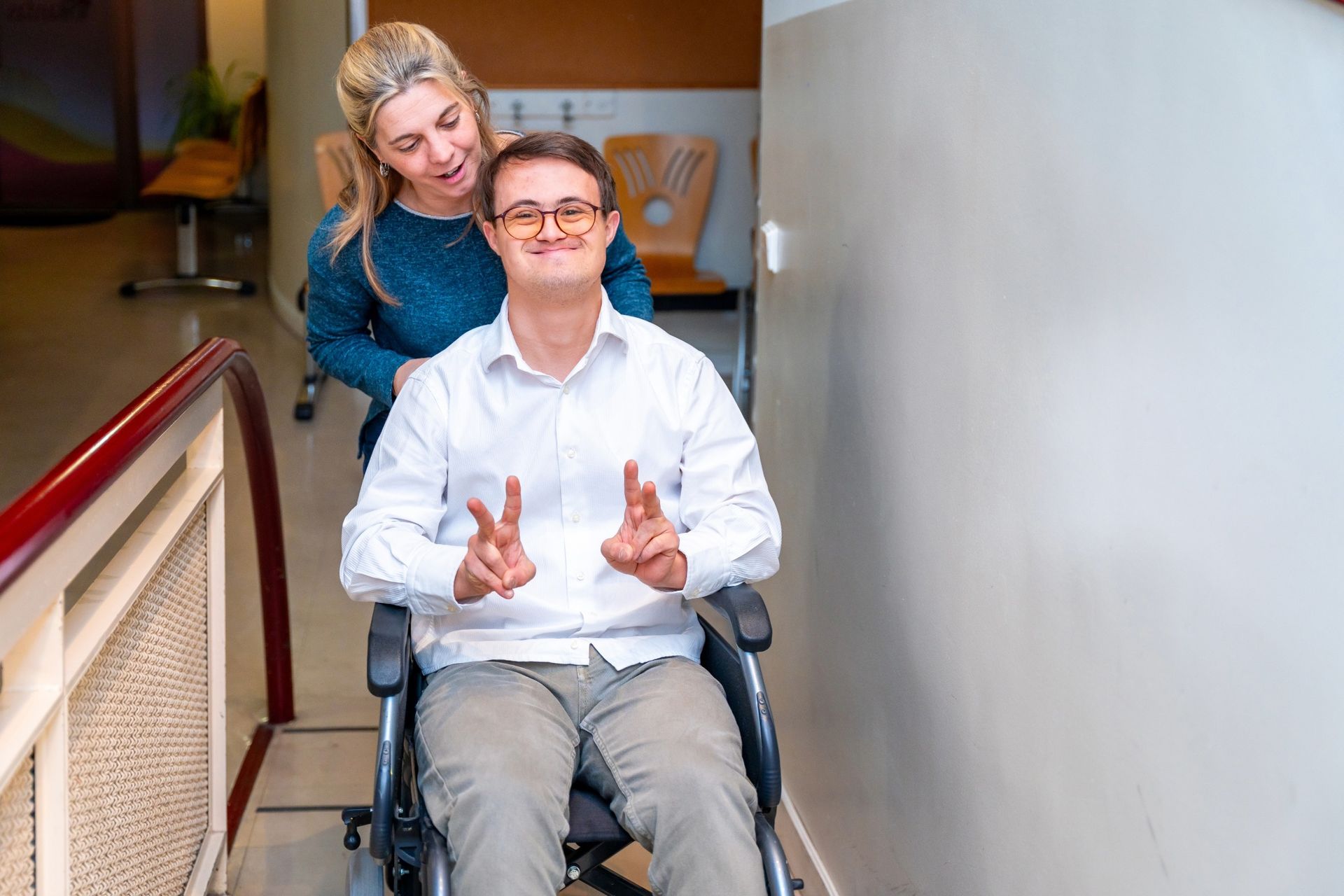
NDIS support workers offer daily support, emotional steadiness, and care that helps you feel seen and supported. Learn more about them and what they do in this blog.

When life feels unpredictable, mental health occupational therapy offers grounded support for your autistic child. Learn practical strategies and next steps inside.

Psychosocial OT at PotentialMe helps individuals reconnect with life through skills, structure, and support. Read the full blog for more insight.

This guide explains how psychosocial disabilities are defined and supported by the NDIS through non-clinical services and recovery-focused plans.