

Have a Question?
Understanding Psychosocial Disabilities and the NDIS
Psychosocial Disability (PSD) refers to impairments in functioning caused by mental health conditions, impacting an individual's ability to engage in daily activities and participate in society. Unlike clinical diagnoses alone, PSD focuses on how these conditions hinder one's capacity to work, study, or socialise effectively.

What Defines Psychosocial Disability?
PSD is characterised by significant functional limitations arising from mental health issues. It's important to note that not all individuals with mental health conditions have a psychosocial disability; it specifically applies when these conditions severely impede daily functioning and social interactions.
Support from the NDIS
The National Disability Insurance Scheme (NDIS) recognises and supports individuals with PSD by providing funding for non-clinical services aimed at improving functional abilities and long-term recovery. While clinical services such as diagnosis and treatment fall under the mental health system, the NDIS funds support that enhance daily living skills, community engagement, and overall quality of life.
Types of Supports Available
Supports funded under the NDIS for individuals with PSD include:
Capacity Building Supports -Enhancing skills for education, employment, and decision-making.
Daily Living Supports - Assistance with everyday tasks and routines.
Social Skills Development - Building relationships and community participation.
Life Skills Building - Improving confidence, resilience, and self-care.
Social and Recreation Support - Facilitating participation in social activities and groups.
Accommodation Support - Assistance with housing and managing living arrangements.
Allied Health Services - Support from professionals like mental health occupational therapists to manage functional impacts.
How NDIS Plans Work
NDIS plans are tailored to meet the specific needs and goals of individuals with PSD. They focus on empowering participants to regain independence, improve capabilities, and navigate the complexities of daily life more effectively.
Conclusion
Living with a psychosocial disability can present challenges, but with the right support from the NDIS, individuals can enhance their quality of life and achieve greater independence. The NDIS ensures that supports are personalised, goal-oriented, and designed to meet the unique needs of each participant, fostering resilience and empowerment in daily living.
Based in Melbourne and serving Greater Melbourne and its surrounding areas, PotentialMe specialises in occupational therapy support tailored for NDIS participants with Psychosocial Disabilities. Our approach also can include carefully matching support workers with participants based on shared interests and compatible personalities, under the guidance of each participant's clinical team. In addition to this we provide nationwide Plan Management services. If you or a loved one is navigating life with a psychosocial disability, trust us to guide you on your NDIS journey with compassion and expertise.

We hope you enjoyed reading this blog.
PotentialMe specialises in mental health occupational therapy and also offers NDIS support services, including Australia-wide plan management and personalised support work, matching participants across Greater Melbourne with the right support worker.

Mental health shapes how we think, work, and connect. This blog covers what good mental health looks like, where occupational therapy fits in, and more.
If you've looked at your NDIS plan, you've probably seen the term "Capacity Building" with a budget attached to it. But what does that mean? Read more.

You want to help, but you don't want to take away their independence. It’s a delicate balance that can affect confidence and relationships. Read more here.

The goals might tick the right boxes for the NDIS, but they don't get you out of bed in the morning. Learn how to set goals that actually matter.

Sensory overload isn't just about being "sensitive" or "dramatic". It's a real, physical experience that can derail your day. Find out more.

When you're navigating mental health support through the NDIS, you'll likely come across both occupational therapists and psychologists. Read more.

The NDIS provides support for autism through individualised funding and greater choice. Learn how it works for your child.
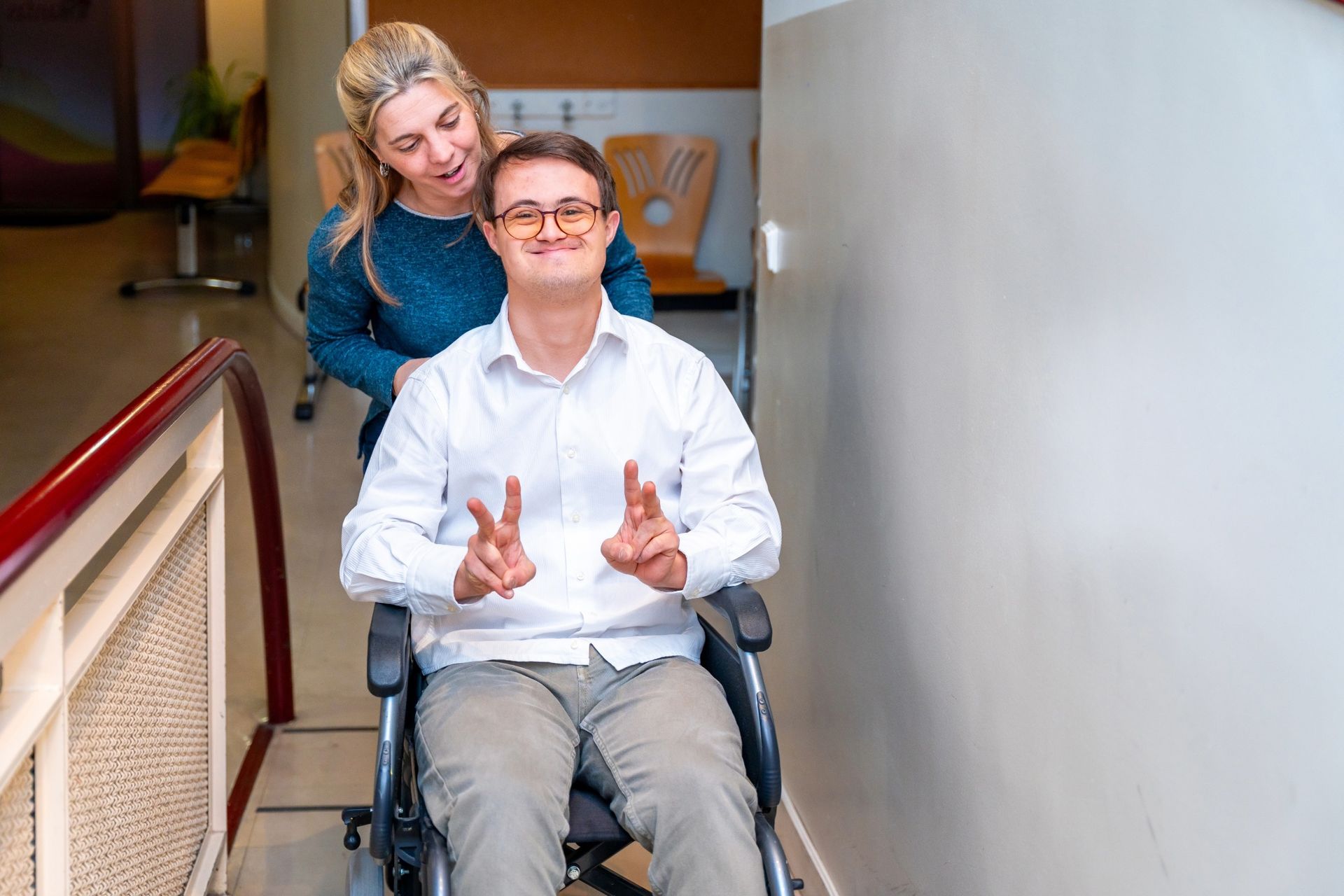
NDIS support workers offer daily support, emotional steadiness, and care that helps you feel seen and supported. Learn more about them and what they do in this blog.

When life feels unpredictable, mental health occupational therapy offers grounded support for your autistic child. Learn practical strategies and next steps inside.

Psychosocial OT at PotentialMe helps individuals reconnect with life through skills, structure, and support. Read the full blog for more insight.