

Have a Question?
Why Is Mental Health Important?
Mental health isn't separate from the rest of your life. It's the foundation everything else is built on. So why is mental health important? Because it shapes how we think, work, connect with others, and cope with the everyday demands of life. It's not a side issue that only matters when something goes wrong. Our relationships, our ability to hold down a job or study for a degree, and our physical health all draw on it. Physical and mental health are closely interconnected, and neither can be looked at in isolation.
In Australia, this isn't a small-scale concern. An estimated 7.3 million Australians will face mental ill-health at some point in their lives. For many, that experience becomes an ongoing set of mental health challenges rather than a one-off occasion, which is exactly where the right support, including occupational therapy, can make a real difference.
What Good Mental Health Actually Looks Like
Good mental health doesn't mean feeling happy all the time or never experiencing stress. Good mental health helps a person manage the ups and downs of day-to-day life, while good mental health enables someone to bounce back from setbacks, maintain relationships, and take part in activities that matter to them, whether that's work, study, hobbies, or spending time with family. It touches on physical well-being and emotional well-being alike, and contributes to a person's overall well-being.
Good Mental Health and Psychosocial Disability
For someone living with a psychosocial disability, good mental health might look different day to day. It could mean managing a routine that supports stability, having strategies to handle overwhelming moments, or simply feeling capable of getting through the day with less friction. This is where occupational therapy earns its place: it looks at mental health through the lens of function, helping people build the practical skills and routines that support genuine day-to-day wellbeing, not just symptom management.
Common Mental Health Conditions in Australia
Mental health conditions, sometimes referred to as mental health issues or mental health problems, cover a wide range of experiences, from short-term stress responses to long-term diagnoses that affect daily functioning. One in five adults experiences a mental health condition in any given year, which means most of us either live with one ourselves or know someone close to us who does. Risk factors vary widely and can include life circumstances, trauma, and family history, which is why no two people experience mental health conditions the same way.
Some of the more common mental disorders include depression, generalised anxiety and panic disorder, obsessive-compulsive disorder, post-traumatic stress disorder, bipolar disorder, and psychotic disorders such as schizophrenia. Each affects people differently, and the level of support needed can range from occasional check-ins to structured, ongoing care.
For people whose mental health condition significantly limits their ability to manage daily tasks, this is often described as a psychosocial disability. It's a distinction that matters because it opens the door to NDIS-funded supports, including mental health occupational therapy, designed around building real functional capacity rather than just addressing symptoms in isolation.
Anxiety and Depression: The Most Common Struggles
Anxiety and depression are among the most widely experienced mental health conditions, and they rarely stay contained to just the mind. Anxiety can show up as excessive worry that goes well beyond the normal stresses of life, making ordinary tasks, like leaving the house, answering the phone, or sitting through a work shift, feel exhausting. Depression often brings a persistent sadness that strips away motivation and makes it hard to complete basic self-care, let alone the bigger goals someone might be working toward.
What often gets missed is how much anxiety and depression can affect a person's function, including sleep, appetite, concentration, relationships, and the ability to hold a routine. For some, this extends to panic attacks, which can be frightening and disruptive when they happen without warning. The way mental health affects daily functioning is exactly why occupational therapy is a good fit: rather than treating anxiety and depression as abstract diagnoses, an OT looks at how these conditions show up in a person's actual daily life and builds practical strategies around that.
How Poor Mental Health Turns Into Physical Health Problems
Mental and physical health are far more connected than people often assume. Poor mental health can lead to physical health problems, and physical health issues can just as easily contribute to poor mental health, making it a two-way relationship rather than a one-off side effect.
Mental illness can increase the risk of diabetes, stroke, and heart disease. Chronic stress, in particular, puts sustained pressure on the body, and over time this can contribute to high blood pressure and diabetes. It can also cause unexplained physical symptoms, such as fatigue, headaches, chronic pain, digestive issues, or muscle tension, that don't show up clearly on standard medical tests but are very real for the person experiencing them.
This is one of the clearest reasons mental health support shouldn't be treated as separate from overall health care. Left unmanaged, mental health conditions don't just affect mood; they place a real and measurable strain on the body.
Why Mental Health Care Matters
Beyond the personal toll, poor mental health carries a significant cost at a national level. Mental health issues are estimated to cost the Australian economy up to $220 billion annually, factoring in lost productivity, healthcare spending, and broader social impacts.
The World Health Organization (WHO) recognises mental health as central to overall health, treating mental health promotion alongside disease control as equally important public health priorities. This is exactly why mental health matters at both a personal and societal level, and why it deserves to be treated as a genuine mental health concern rather than something to push aside.
Good mental health care changes this picture. It gives people access to mental health treatment, the right mental health services, and the structure to manage their condition rather than be managed by it. For NDIS participants specifically, mental health care often means a combination of clinical support from a mental health professional and practical, functional support, which is where occupational therapy plays a distinct role.
An NDIS mental health occupational therapist in Melbourne doesn't just talk through a diagnosis; they work alongside a person to build the daily skills and routines that support genuine independence.
Recognising When to Seek Support
Not every difficult day signals a mental health crisis, but it helps to know the difference between everyday stress and something that needs professional attention. Ongoing anxiety and depression can sometimes escalate, and in more serious situations, thoughts of self-harm are a clear sign that immediate support is needed. If you or someone you know is in crisis, Lifeline (13 11 14) and Beyond Blue (1300 224 636) are available 24/7.
Certain groups face a higher risk of experiencing mental health conditions, including young people going through major life transitions and those carrying significant life stress. If you notice a loved one withdrawing, losing interest in things they used to enjoy, or seeming unable to cope, it's worth encouraging them to seek professional help rather than waiting for things to improve on their own.
Early intervention makes a genuine difference. Seeking care sooner rather than later, whether through a GP, a psychologist, an occupational therapist, or trusted NDIS support workers in Melbourne, tends to lead to better outcomes and can prevent a manageable concern from developing into something more serious. Unfortunately, mental health stigma still stops many people from reaching out. Talking openly about mental health needs, both your own and those of people around you, is one of the simplest ways to chip away at that stigma and make it easier for people to access mental health support when they need it.
Practical Ways to Improve Mental Health
While professional support plays a central role for many people, there are everyday habits that support promoting mental well-being alongside formal care, help build healthy coping skills for managing daily stress, and contribute to an overall healthy lifestyle. These habits won't resolve serious mental health issues on their own, but they make a genuine difference alongside formal treatment:
Move your body
Around 30 minutes of exercise a day has been shown to boost mood, build emotional resilience, and reduce anxiety.
Practise mindfulness
Simple mindfulness techniques build valuable coping skills, helping to reduce negative thinking patterns and manage stress.
Prioritise sleep
Quality sleep is essential for mental well-being, supporting both emotional and physical recovery, and poor sleep can worsen almost every other symptom.
Build a support system
Strong social connections and healthy relationships reduce feelings of loneliness, and meaningful relationships give people somewhere to turn during harder periods.
Limit screen time
Cutting back on excessive screen use can improve mental well-being and lower anxiety levels.
These strategies aren't a replacement for professional support, but they're often exactly the kind of practical, routine-based changes an occupational therapist helps a person put into practice and sustain over their personal journey toward better mental health.
From Why It Matters to What Helps
Mental health occupational therapy takes a different approach from talk-based therapy alone. Instead of focusing purely on the diagnosis, an OT looks at how a mental health condition affects someone's ability to manage daily life, whether that's personal care, maintaining a home, holding down work or study, or staying connected to community.
For NDIS participants in Melbourne living with a psychosocial disability, this can mean building structured routines, developing coping strategies for anxiety and depression, improving daily living skills, and working toward the goals set out in an NDIS plan. It's practical, function-focused support that sits alongside clinical care rather than replacing it.
Mental health isn't separate from the rest of life, and neither is the support that helps someone manage it. If you or someone you support is an NDIS participant living with a mental illness, PotentialMe's occupational therapy team works across Greater Melbourne, offering both in-person visits and online mental health services via telehealth, to turn daily struggles into daily routines that actually work. Contact PotentialMe to find out how our team can support your NDIS goals.

We hope you enjoyed reading this blog.
PotentialMe specialises in mental health occupational therapy and also offers NDIS support services, including Australia-wide plan management and personalised support work, matching participants across Greater Melbourne with the right support worker.

If you've looked at your NDIS plan, you've probably seen the term "Capacity Building" with a budget attached to it. But what does that mean? Read more.

You want to help, but you don't want to take away their independence. It’s a delicate balance that can affect confidence and relationships. Read more here.

The goals might tick the right boxes for the NDIS, but they don't get you out of bed in the morning. Learn how to set goals that actually matter.

Sensory overload isn't just about being "sensitive" or "dramatic". It's a real, physical experience that can derail your day. Find out more.

When you're navigating mental health support through the NDIS, you'll likely come across both occupational therapists and psychologists. Read more.

The NDIS provides support for autism through individualised funding and greater choice. Learn how it works for your child.
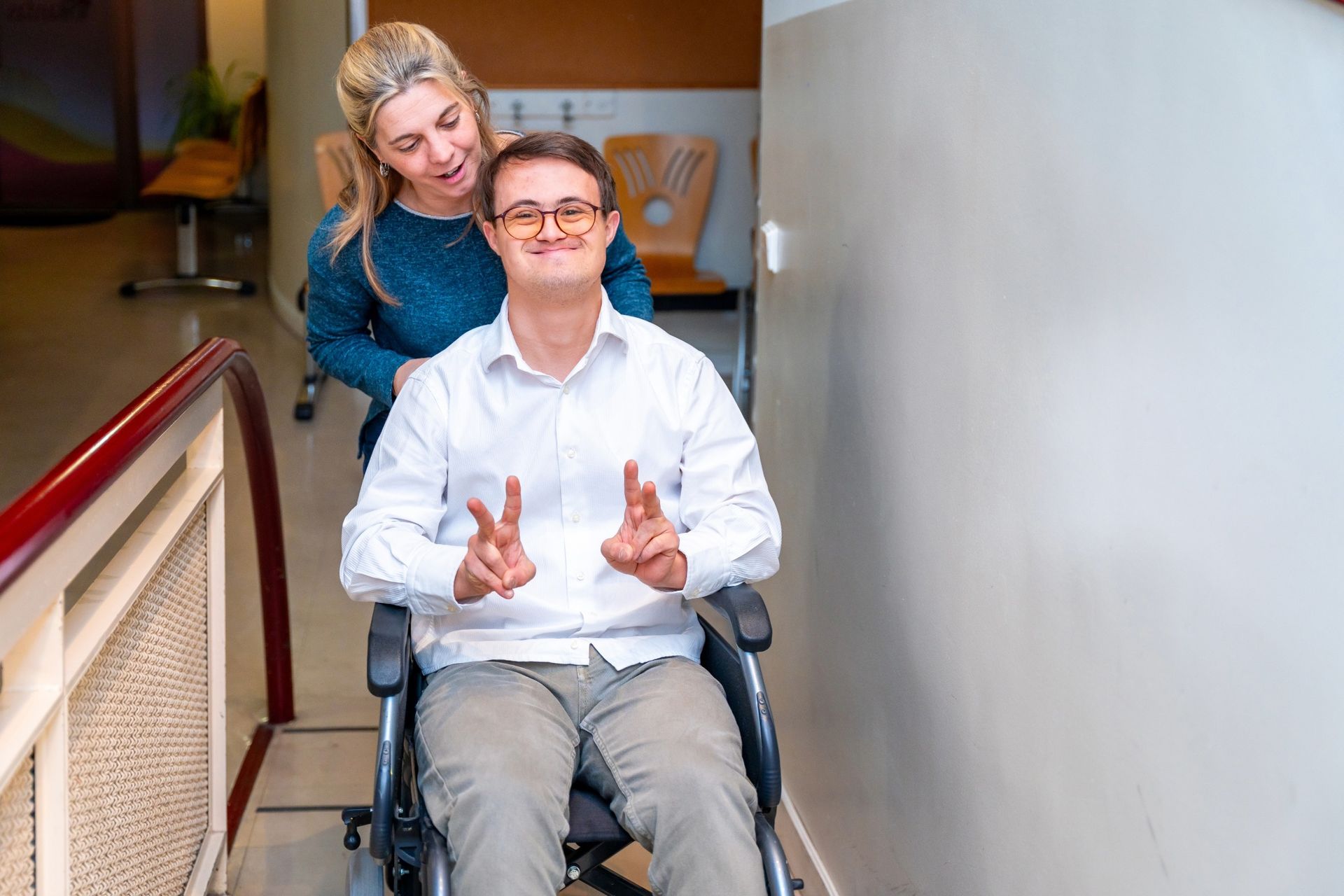
NDIS support workers offer daily support, emotional steadiness, and care that helps you feel seen and supported. Learn more about them and what they do in this blog.

When life feels unpredictable, mental health occupational therapy offers grounded support for your autistic child. Learn practical strategies and next steps inside.

Psychosocial OT at PotentialMe helps individuals reconnect with life through skills, structure, and support. Read the full blog for more insight.

This guide explains how psychosocial disabilities are defined and supported by the NDIS through non-clinical services and recovery-focused plans.