

Have a Question?
NDIS Mental Health Occupational Therapist Fraser Rise
Mental Health Occupational Therapy
NDIS Provider Servicing Fraser Rise and Surrounds
Fraser Rise has grown quickly, and plenty of people living here are still finding their feet in a new neighbourhood. For someone living with psychosocial disability (mental illness), that can mean long days at home, services that are still catching up and a car-dependent suburb that makes getting out harder.
PotentialMe's mobile mental health occupational therapists visit participants at home and in the community around Fraser Rise. We work with people living with schizophrenia, anxiety, depression, OCD and personality disorders, building the routines and everyday skills that make life feel more manageable.

Occupational Therapy Services
Small Steps, Real Change
Psychosocial disability can make ordinary tasks feel out of reach. Budgeting, paying bills, planning and cooking meals, keeping the house in order, looking after yourself, managing time, and staying connected with work, study or friends can all start to slip.
At PotentialMe, our occupational therapists focus on mental illness (psychosocial disability), including schizophrenia, anxiety, depression, OCD and personality disorders. Every participant is different, so we shape our support around your goals, your routines and the life you want to build.
We start with what matters to you, then build from there.

Functional Capacity Assessments
We look closely at how you manage daily tasks and where support would help most.
Goal Focused Therapy and Rehabilitation
We build your capacity step by step and work with you towards goals you set.
Care Team Collaboration
We create care plans and can train your support team so everyone works the same way.
Evaluation, Review and Reassessment
We start with a thorough assessment and check progress as your needs change.
Our Key Areas of Focus
Mobile Mental Health OT in Fraser Rise
We want participants to feel steadier, more capable and more connected. Our mental health occupational therapists travel across Melbourne's north-west, visiting you at home in Fraser Rise or out in the community, at a time that works for you and the people who support you.
Improving Motivation and Achieving Goals
Understand what drains your motivation and find practical ways to move towards your goals.
Mood Management and Improvement
Notice what lifts or lowers your mood and build habits that help you feel more settled.
Strengthening Identity and Self-Esteem
Rebuild confidence and a clearer sense of who you are, in a space that feels safe.
Sensory Regulation
Learn calming strategies for moments when noise, crowds or stress start to feel like too much.
Improving Social Skills and Relationships
Grow your confidence in conversations and keep the relationships that matter to you.
Independent Living Skills
Manage everyday tasks at home with more confidence.
Executive Functions
Plan your week, stay organised and keep track of time.
Emotional Regulation
Find ways to respond to strong emotions that protect your wellbeing and relationships.
Travel and Community Integration
Get confident using local buses and community spaces.
Personal Care
Develop steady routines for showering, dressing and grooming that fit your day.
Household Activities
Simple systems for cleaning, laundry and jobs at home.
Your OT works alongside you, building a plan around your strengths, needs and daily routine.
Explore Our OT Services
Paediatric Occupational Therapy
Our paediatric occupational therapists help children build everyday skills, from fine motor and sensory processing to emotional regulation, self-care and school readiness, with telehealth sessions available Melbourne-wide.
NDIS Functional Capacity Assessment
Need evidence for your NDIS plan? Our mental health OTs complete detailed Functional Capacity Assessments, visiting you at home to see how psychosocial disability affects your daily life.
Telehealth Mental Health OT
Getting out isn't always easy in a car-dependent suburb. Telehealth OT sessions let you work on your goals from home, wherever you are in Australia.
Practice Specialty
What Is Mental Health Occupational Therapy?
Occupational therapy is about the everyday activities, or “occupations”, that fill your day and give it meaning. That might be cooking dinner, getting to the shops, holding down a job or catching up with friends.
Mental health occupational therapy looks at how mental illness affects those activities. For someone living with schizophrenia, low motivation might make it hard to start the day. For someone with OCD, rituals might take over the morning. Our OTs ask “What matters to you?” rather than “What's the matter with you?”, then work with you on the skills and routines that get you there.
OT is different from psychology or counselling. A psychologist mainly works with thoughts and feelings through talk therapy. An OT works on daily function: practical skills, habits and routines, often practised in your own home or community. Many participants see both, and we're happy to work alongside your psychologist.
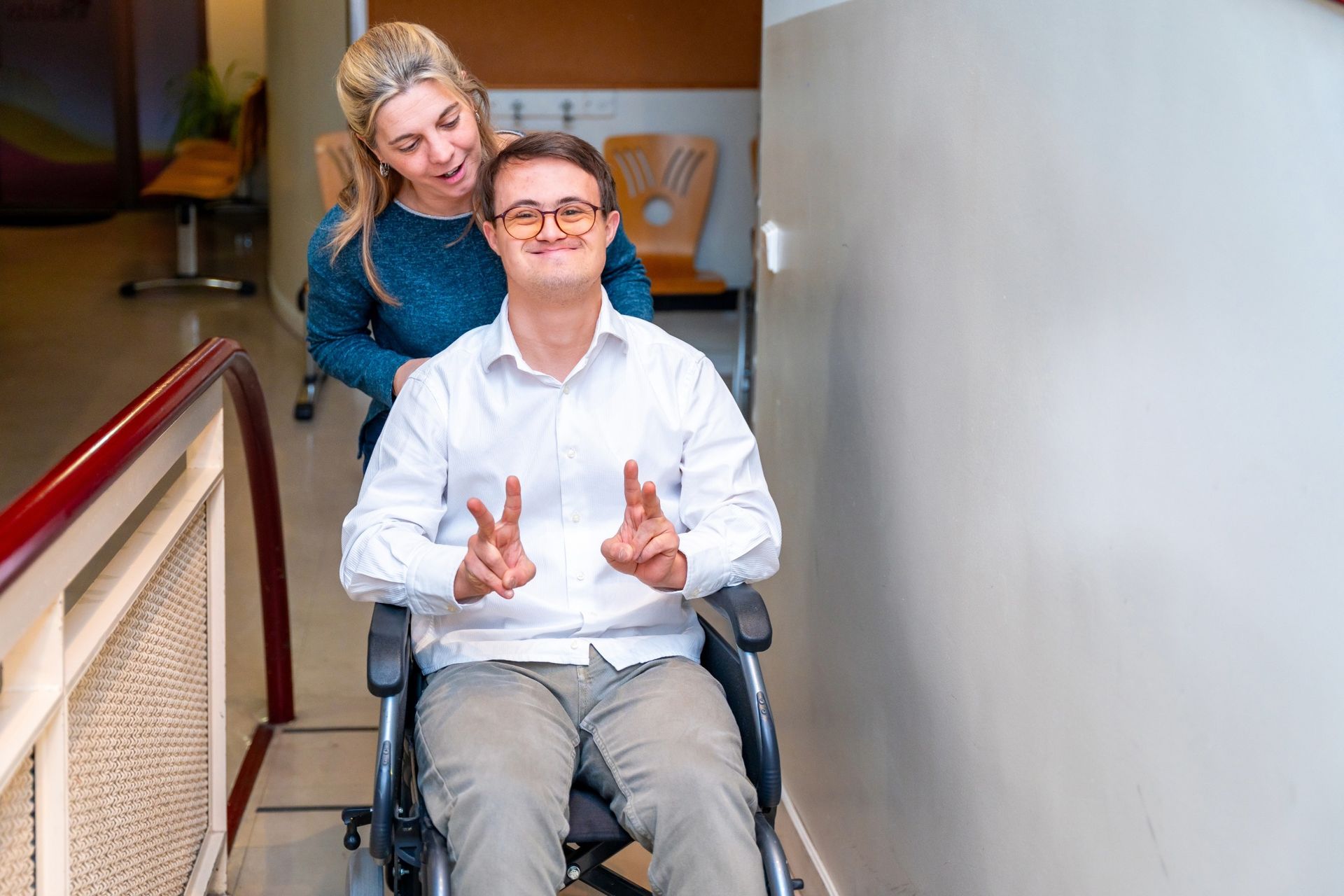
NDIS support workers offer daily support, emotional steadiness, and care that helps you feel seen and supported. Learn more about them and what they do in this blog.
Areas We Service
Local NDIS Support
Our mobile occupational therapists support people living with mental illness, psychiatric conditions and psychosocial disability across Fraser Rise and Melbourne's north-west. We help participants build independence, take back control of their week, handle daily pressures and feel more at home in their community. Sessions happen where they're most useful: at home, at the local shops or on the way to an appointment.

What Participants Say
In Their Own Words

Hear from participants and families who have worked with our team. If you'd like to talk about how mental health OT could fit into your NDIS plan, we're always happy to have a chat.
Frequently Asked Questions
Do you visit participants at home in Fraser Rise?
Yes. Our mental health OTs are mobile, so we come to your home or meet you somewhere in the community, like a local park or shopping centre. We can also mix home visits with telehealth sessions on days when meeting in person feels too hard.
What does an occupational therapist do for someone with schizophrenia?
An OT focuses on everyday function. That can mean building a daily routine, getting the day started when motivation is low, keeping track of appointments, cooking simple meals or easing back into social activities. Sessions are practical, built around your own goals and run at a pace that suits you.
How is mental health OT different from seeing a psychologist?
A psychologist mainly works with thoughts, feelings and behaviour through talk therapy. An OT works on how you manage daily life, such as routines, household tasks, budgeting and getting out into the community. The two work well together, and we're happy to coordinate with your psychologist.
Can my NDIS plan pay for mental health occupational therapy?
If therapy supports are included in your plan, mental health OT can usually be funded. It's often funded under Capacity Building, and sometimes Core, depending on your goals and how your plan is set out. Our team can look over your plan with you before you start.
Do I need a referral to get started?
No. You can contact us yourself, or a family member, support coordinator, LAC or health professional can refer you. PotentialMe is a registered NDIS provider, so we work with self-managed, plan-managed and agency-managed participants.
What happens in the first session?
The first session is about getting to know you. Your OT will ask about your daily routine, what's working, what's hard and what you'd like to change. From there, you agree on goals together and plan the next steps.
Can you complete a Functional Capacity Assessment?
Yes. Our OTs complete Functional Capacity Assessments (FCAs) for participants with psychosocial disability. The report describes how your mental health affects daily life and can be used as evidence for a plan reassessment or a request to change your supports.
Can my family and support workers be involved?
Yes. With your permission, we can involve family members and carers in sessions and share simple strategies they can use between visits. We can also train your support workers, so everyone helping you around Fraser Rise is working towards the same goals.