

Have a Question?
NDIS Mental Health Occupational Therapist Hillside
Mental Health Occupational Therapy
NDIS Provider Servicing Hillside and Surrounds
Hillside sits right between the City of Melton and Brimbank, close to Watergardens and just off the Melton Highway. For people living with psychosocial disability (mental illness), daily life here can be just as demanding as anywhere else, especially when routines, rituals or worries start taking up most of the day.
PotentialMe's mental health occupational therapists visit participants across Hillside to help with practical, everyday challenges. We support people living with OCD, anxiety, depression, schizophrenia and personality disorders to build healthier routines and take back time for the things they enjoy.

Occupational Therapy Services
Routines That Work
Psychosocial challenges can affect how you manage everyday life. Budgeting, bill paying, meal planning and preparation, household jobs, self-care, time management, education or work, and social connection can all become harder to keep on track.
Our occupational therapists specialise in mental illness (psychosocial disability), including OCD, anxiety, depression, schizophrenia and personality disorders. We take the time to understand how your condition affects your day, then shape our support around your goals, your strengths and your routine.
We work with you, not around you, at a pace that feels right.

Functional Capacity Assessments
We assess how you manage daily activities and identify where support will help.
Goal Focused Therapy and Rehabilitation
We focus on capacity building and work with you towards the goals you choose.
Care Team Collaboration
We create care plans and can train your support team to follow the same approach.
Evaluation, Review and Reassessment
We complete a full initial assessment and reassess as your situation changes.
Our Key Areas of Focus
Mobile Mental Health OT in Hillside
We aim to help participants feel more independent, more confident and more connected to their community. Our mobile occupational therapists visit you at home in Hillside or meet you nearby, at a time that works for you and your family.
Improving Motivation and Achieving Goals
Explore what's getting in the way of your motivation and set goals you can actually reach.
Mood Management and Improvement
Understand what drives changes in your mood and build habits that help you feel better.
Strengthening Identity and Self-Esteem
Grow your self-worth and sense of identity, with support that respects who you are.
Sensory Regulation
Learn ways to manage overwhelm, from busy shopping centres to stressful situations at home.
Improving Social Skills and Relationships
Build skills for social situations and keep the connections that matter to you.
Independent Living Skills
Manage more everyday tasks at home with confidence.
Executive Functions
Plan, organise and prioritise so tasks feel lighter.
Emotional Regulation
Find steadier ways to respond to anxiety, frustration and other strong emotions.
Travel and Community Integration
Get confident catching the bus and getting out locally.
Personal Care
Set up personal care routines that take less time and feel easier to manage.
Household Activities
Cleaning, laundry and meal systems that don't take over.
Your OT works side by side with you, building a plan around your needs, goals and the realities of your week.
Explore Our OT Services
Paediatric Occupational Therapy
From holding a pencil to managing big feelings, our paediatric OTs help children build the skills for everyday life, including sensory processing, self-care and school readiness. Telehealth is available Melbourne-wide.
NDIS Functional Capacity Assessment
Our mental health OTs complete thorough FCA reports for participants with psychosocial disability, describing how your condition affects daily tasks so the NDIS has the full picture.
Telehealth Mental Health OT
Prefer to stay home? Our secure telehealth sessions give you the same practical OT support online, across Greater Melbourne, regional Victoria and Australia-wide.
Practice Specialty
What Is Mental Health Occupational Therapy?
Occupational therapy is about helping people do the things they need and want to do in daily life. These everyday activities, from getting ready in the morning to shopping, working and socialising, are called “occupations”.
Mental health occupational therapy focuses on how mental illness affects those activities. For someone living with OCD, rituals like checking, cleaning or repeating can take hours out of the day and leave little time for anything else. An OT helps build routines that gradually make more room for work, study, rest and the people you care about. For anxiety, depression and schizophrenia, the focus might be on structure, energy and confidence.
Our OTs ask “What matters to you?” rather than “What's the matter with you?” They work alongside psychologists and psychiatrists rather than replacing them, focusing on the practical, everyday side of recovery.
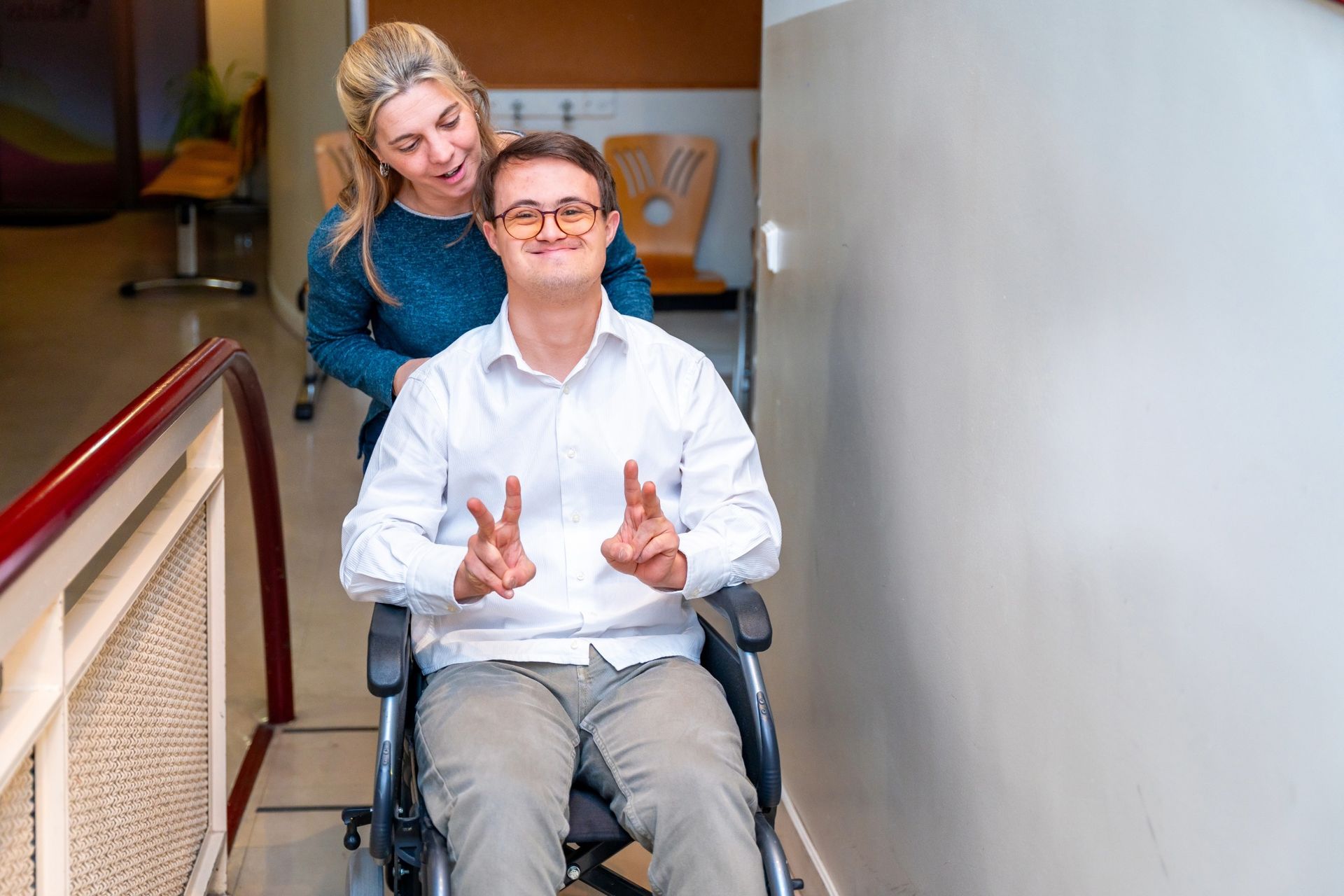
NDIS support workers offer daily support, emotional steadiness, and care that helps you feel seen and supported. Learn more about them and what they do in this blog.
Areas We Service
Local NDIS Support
Our team supports people living with mental illness and psychosocial disability across Hillside and the nearby suburbs of Melbourne's north-west. We help participants build independence, manage the demands of daily life and feel more involved in their community, with practical support that fits around home, family and other commitments.

What Participants Say
In Their Own Words

Hear directly from participants and families about their experience with our team. If you have questions about mental health OT under the NDIS, we'd be glad to hear from you.
Frequently Asked Questions
Can occupational therapy help with OCD?
Yes. An OT looks at how OCD affects your day, such as rituals that make you late, tasks you avoid or routines that take hours. Together you work on practical strategies and gradually build a routine that leaves more time for the things you value. We can work alongside your psychologist's treatment.
Do you see participants at home in Hillside?
Yes. Our OTs are mobile and visit you at home or in the community. Many participants also use telehealth for some sessions, which can be handy on days when leaving the house feels like too much.
What does a mental health OT do that a psychologist doesn't?
A psychologist mainly helps you understand and change thoughts, feelings and behaviour. An OT helps you put that into practice in daily life, such as building routines, managing household tasks, budgeting and getting out into the community.
Does the NDIS cover mental health occupational therapy?
It can, if therapy supports are part of your NDIS plan. Mental health OT is often funded under Capacity Building, and sometimes Core, depending on your goals. Our team can help you understand what's in your plan before your first session.
How long does each session take?
Session length depends on your goals and what you're working on. Some sessions are shorter check-ins, while others involve practising a task like grocery shopping or catching public transport. We'll agree on a plan that suits you and your budget.
Can you help me with a Functional Capacity Assessment?
Yes. Our OTs complete FCAs for participants living with psychosocial disability. The report describes how your mental health affects everyday life and can support your plan reassessment or a request for changes.
Can I choose when my sessions happen?
Yes. We work around your routine, your energy levels and your other commitments wherever we can. If something changes, just let us know and we'll find another time.
Who can refer me to PotentialMe?
Anyone can make the first contact, including you, a family member, a support coordinator, an LAC or a health professional. We support participants around Hillside and the north-west, and we'll talk through your goals before you start.