

Have a Question?
NDIS Mental Health Occupational Therapist Taylors Hill
Mental Health Occupational Therapy
NDIS Provider Servicing Taylors Hill and Surrounds
Taylors Hill is known for its parks, lakes and quiet, leafy streets. It's a great place to build a routine, but when you're living with psychosocial disability (mental illness), getting into one can be the hardest part.
PotentialMe's mental health occupational therapists come to you in Taylors Hill to help with the everyday side of mental illness. We support participants living with personality disorders, anxiety, depression, schizophrenia and OCD to manage emotions, structure their days and build the skills to live more independently.

Occupational Therapy Services
Build a Steadier Week
Psychosocial disability can affect much more than mood. It can make it harder to budget, pay bills, plan and cook meals, keep the house running, look after yourself, manage your time, go to work or study, and stay connected with people.
At PotentialMe, our occupational therapists specialise in mental illness (psychosocial disability), with experience supporting people living with personality disorders, anxiety, depression, schizophrenia and OCD. We listen first, then shape our support around your goals and the way you want to live.
Every plan starts with you and the strengths you already have.

Functional Capacity Assessments
We assess your daily functioning to understand your strengths and where support is needed.
Goal Focused Therapy and Rehabilitation
We work with you on practical goals, building your skills and confidence along the way.
Care Team Collaboration
We develop care plans and train your supports so everyone is on the same page.
Evaluation, Review and Reassessment
We carry out an initial assessment, then review and adjust as your needs change.
Our Key Areas of Focus
Mobile Mental Health OT in Taylors Hill
We want every participant to feel more capable and more in control of their day. Our mobile mental health occupational therapists visit you at home in Taylors Hill or meet you in the community, at times that suit you and the people who support you.
Improving Motivation and Achieving Goals
Find what sparks your motivation again and turn bigger goals into steps you can manage.
Mood Management and Improvement
Learn what affects your mood and build routines that support more stable days.
Strengthening Identity and Self-Esteem
Strengthen your sense of self and build confidence in a supportive, judgement-free space.
Sensory Regulation
Develop practical ways to settle your body and mind when things feel overwhelming.
Improving Social Skills and Relationships
Practise skills for conversations, conflict and keeping healthy relationships going.
Independent Living Skills
Become more independent with everyday tasks at home.
Executive Functions
Tools that make planning and remembering things easier.
Emotional Regulation
Build strategies to ride out intense emotions and respond in ways that help you.
Travel and Community Integration
Get comfortable with local buses, trails and shops.
Personal Care
Create personal care routines that feel manageable, even on low-energy days.
Household Activities
Simple ways to keep on top of meals and cleaning.
Our OTs work closely with you, building a plan around your needs, preferences and everyday life.
Explore Our OT Services
Paediatric Occupational Therapy
Our paediatric occupational therapists use play-based sessions to help children with fine motor skills, sensory processing, emotional regulation, self-care and school readiness. Families can access telehealth sessions from anywhere in Melbourne.
NDIS Functional Capacity Assessment
A Functional Capacity Assessment gives the NDIS a clear picture of your daily life. Our mental health OTs complete detailed FCA reports to support planning and plan reassessment.
Telehealth Mental Health OT
Some weeks are harder than others. Telehealth lets you keep working with your OT from home, with secure sessions across Greater Melbourne, regional Victoria and Australia-wide.
Practice Specialty
What Is Mental Health Occupational Therapy?
Occupational therapy supports people to do the everyday things that give life purpose, from getting out of bed at a regular time to cooking, working, studying or spending time with others. These activities are known as “occupations”.
Mental health occupational therapy applies this to the challenges that come with mental illness. For people living with a personality disorder, that often means building ways to manage intense emotions so relationships, work and daily routines don't keep falling apart. For people living with depression or schizophrenia, it might mean finding the energy and structure to get through the day.
Our OTs ask “What matters to you?” rather than “What's the matter with you?” They use structured, evidence-based approaches to build practical skills, practised in real settings like your home, a local café or a walk around the lake.
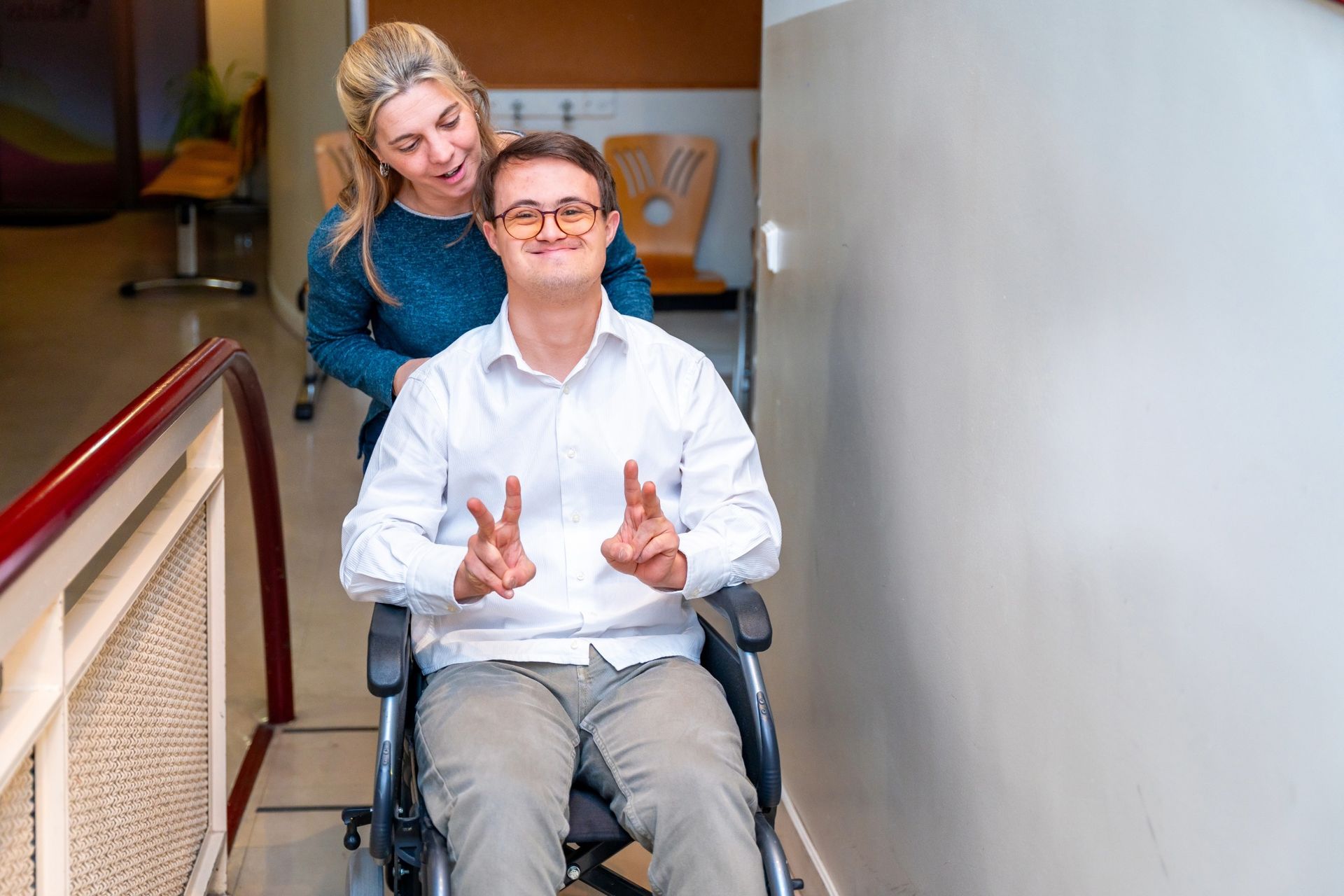
NDIS support workers offer daily support, emotional steadiness, and care that helps you feel seen and supported. Learn more about them and what they do in this blog.
Areas We Service
Local NDIS Support
Our occupational therapists support people living with mental illness, psychiatric conditions and psychosocial disability in Taylors Hill and nearby suburbs. We help participants manage daily demands, build independence and take a fuller part in their community, with support that fits around their life rather than the other way round.

What Participants Say
In Their Own Words

Real feedback from the people we work with says more than we could. Have a read, and if you'd like to find out how mental health OT could help you or someone you support, get in touch.
Frequently Asked Questions
Can an OT help me manage borderline personality disorder?
Yes. Our OTs work with people living with personality disorders, including borderline personality disorder, on the practical side of daily life. That can include building routines, using strategies to manage intense emotions, keeping relationships steady and getting back into work, study or activities you enjoy.
Are sessions held at home in Taylors Hill?
Most sessions happen at home or out in the community, so you can practise skills where you'll actually use them. We can also run sessions by telehealth when that suits you better, or combine the two.
What will my OT actually help me with?
It depends on your goals. Common areas include daily routines, cooking and meal planning, budgeting, keeping the house in order, personal care, using public transport, managing emotions and building social confidence.
Is mental health OT the same as psychology?
No. Psychology mainly focuses on thoughts, feelings and behaviour through talk-based therapy. OT focuses on how you function day to day, using practical, hands-on strategies. The two often work well together.
How do I use my NDIS funding for occupational therapy?
If your plan includes therapy supports, you can usually use that funding for mental health OT. It's often funded under Capacity Building, and sometimes Core, depending on your goals. We can go through your plan with you and explain how sessions are claimed.
Can you help with my NDIS plan reassessment?
Yes. Our OTs can complete a Functional Capacity Assessment and write progress reports that describe how your psychosocial disability affects daily life. These reports can be used as evidence when your plan is reassessed.
Can my support workers learn the strategies too?
Yes. With your consent, we can train your support workers and share strategies with family members, so the same approach carries on between sessions in Taylors Hill and beyond.
How do I get started?
You can call us, send an enquiry through our website or ask your support coordinator, LAC or another professional to refer you. We'll have a chat about your goals and explain the next steps.